
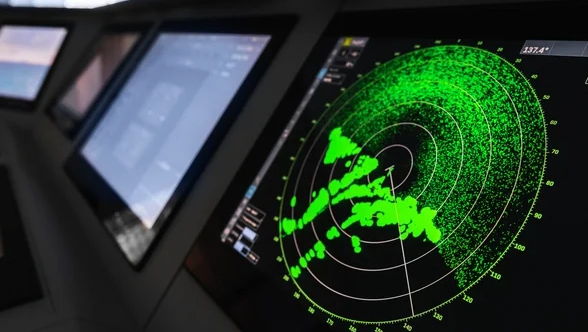
Ireland Initiates Strategic Radar Procurement Talks With France
In a significant development for Irish defence policy, the Government of Ireland has formally agreed to begin detailed negotiations with French authorities to purchase an advanced military radar system valued at approximately €500 million. The announcement part of a broader defence capability enhancement reflects Dublin’s intent to modernise its national security infrastructure amid shifting geopolitical concerns and emerging technology threats.
The plan agreed at Cabinet level employs a Government-to-Government framework intended to expedite acquisition, ensure interoperability with existing systems, and secure comprehensive support and training arrangements. Officials have emphasised that this approach allows Ireland to access a fully integrated suite of radar capabilities rather than piecemeal upgrades.
What Ireland Aims to Acquire
While final contracts have not yet been signed, the radar procurement programme includes several key elements:
- Long-range primary ground-based radar for airspace surveillance.
- Anti-drone detection and counter-UAS technologies to mitigate low-altitude aerial threats.
- Maritime radar systems for naval vessels to improve coastal and sea monitoring.
These systems are designed to create a comprehensive Recognised Air Picture (RAP) enabling Ireland to detect, track, and classify aerial and seaborne contacts with greater precision and response capability.
Strategic Context and Defence Priorities
Ireland’s move comes against the backdrop of a broader uplift in defence investment. Under the Government’s National Development Plan and revised defence spending commitments, capital funding for military equipment and infrastructure has expanded significantly, including investment in new sonar capability for naval forces and enhanced aerial assets.
In addition, Defence Minister Helen McEntee has linked this radar initiative to planned security priorities tied to Ireland’s upcoming Presidency of the Council of the EU, with a clear focus on deterring emerging threats especially those posed by drones and hybrid attacks.
Why Radar Matters for Ireland’s Defence
Historically, Ireland has lacked its own full comprehensive national radar network, relying instead on cooperative arrangements with NATO partners and neighbouring states for airspace monitoring. This has exposed gaps in situational awareness, particularly in detecting fast moving or low altitude aircraft and unmanned aerial systems.
By procuring its own modern radar suite, Ireland will significantly improve:
- National airspace sovereignty and early warning capabilities.
- Response times to unidentified air threats, including drones and unmanned systems.
- Integration with allied defence networks and EU security structures.
This investment also aligns with broader European trends of strengthening defence and surveillance systems in response to rising global tensions. Investments by European partners in radar and air defence technology such as high-performance systems deployed in Ukraine underscore the strategic value of such assets.
Next Steps and Timeline
Negotiations between Irish and French defence procurement officials are now underway. While the total spend and specific contract details will be finalised over the coming months, Government officials expect initial radar components to begin deployment well before full operational capability, which is currently projected around the end of 2028.
The Irish Defence Forces will work closely with French industry partners potentially including major defence electronics and aerospace firms to tailor systems to national requirements, provide training, and facilitate long-term maintenance and support.
What This Means for Ireland’s Security Posture
This radar procurement marks a transformational step in how Ireland approaches national security. It reflects a growing recognition that traditional neutrality can and should be balanced with credible self-defence capabilities, especially in an era of rapidly advancing surveillance, unmanned, and cyber-enabled threats
As the global security landscape evolves, Dublin’s decision to bolster radar and aerial surveillance infrastructure supported by robust international partnerships will be watched closely by defence analysts, allies, and regional partners alike.