
Climate change is dramatically accelerating the spread and impact of microplastics worldwide, pushing ecosystems toward potentially irreversible environmental damage, according to a new review published in Frontiers in Science.
Researchers from Imperial College London warn that rising global temperatures, stronger ultraviolet (UV) radiation, and increased humidity are causing plastics to break down more rapidly into microplastics. These tiny fragments, often invisible to the naked eye, are now spreading faster than ever across oceans, rivers, soils, and even through the atmosphere.
Lead author Professor Frank Kelly emphasized the urgency of global action, stating that climate change and plastic pollution are “co-crises that intensify each other” and require a coordinated international strategy to prevent waste buildup in the environment.
Climate Patterns Now Driving Microplastic Pollution
The review finds that:
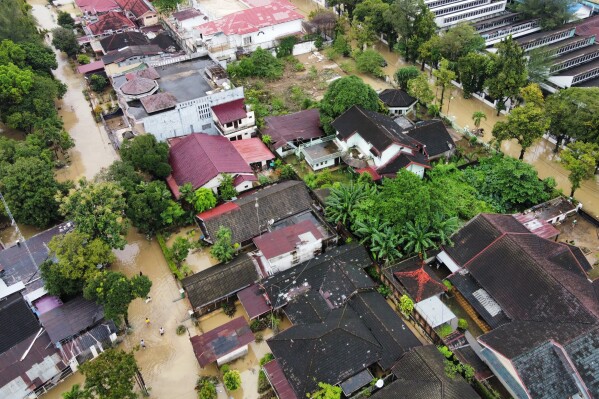
- Extreme weather events — including storms, floods, and high winds — now transport plastic waste over longer distances.
- These patterns scatter microplastics across ecosystems and food chains.
- Microplastics are already being detected in human blood and vital organs, raising serious public health concerns.
The crisis is not limited to the global West. In India, rivers such as the Ganga are becoming hotspots for microplastic pollution as strong flows during extreme weather events carry waste downstream.
Global plastic production has increased 200-fold between 1950 and 2023, and without intervention, scientists warn the problem will worsen dramatically.
Environmental Spiral: More Microplastics, More Damage
Once microplastics enter the environment, the study notes, they:
- Interfere with nutrient cycles in oceans and freshwater bodies
- Damage soil health and reduce agricultural productivity
- Disrupt the feeding, reproduction, and survival of marine species
Microplastics also act as “Trojan horses,” binding to toxic substances such as metals, pesticides, and PFAS and transporting them deeper into the environment. Warming temperatures and ocean acidification make these chemicals even more likely to leach into ecosystems.
Melting polar regions may release large quantities of microplastics trapped in sea ice, adding a new threat.
Apex Predators at Highest Risk
Marine species appear increasingly vulnerable to a combination of warming waters and microplastic contamination:
- Fish mortality linked to microplastics may quadruple with rising temperatures
- Cod may ingest twice as many microplastics under warming-driven oxygen-depleted conditions
- Mussels and other filter-feeders accumulate microplastics, passing them up the food chain
Apex predators like orcas are at greatest risk due to their long lifespans and exposure buildup. Researchers warn these top predators could be indicators of an upcoming ecological tipping point.
Urgent Call for Systemic Change
Scientists are urging governments worldwide to:
- Cut non-essential single-use plastics
- Reduce virgin plastic production
- Implement global standards for reusable and recyclable materials
- Shift toward a circular plastics economy, expanding beyond “reduce, reuse, recycle” to redesign, refuse, eliminate, innovate, and circulate
The authors stress that the future cannot be plastic-free, but global policies must act now to prevent further contamination.
“The plastic thrown away today threatens long-term ecosystem disruption,” said co-author Dr Stephanie Wright. A coordinated global policy — including the upcoming UN Global Plastics Treaty — is seen as critical for meaningful progress.