
When Abundance Becomes a Challenge
In a country where potatoes are more than just a side dish, they are a cultural cornerstone. Germany’s 2025 harvest delivered an embarrassment of riches. What should have been a triumph for farmers instead spotlighted the paradoxes of modern agriculture: abundance leading to waste, market saturation clashing with goodwill, and a creative rescue effort that is both celebrated and controversial.
The Story Behind the “Kartoffel-Flut”
The saga began late last year when ideal weather conditions produced Germany’s highest potato yield in 25 years, up roughly 17 percent over average figures in many reports. Germany, the European Union’s top potato producer, reaped a bumper crop that flooded the market.
For Osterland Agrar, a large agricultural operation south of Leipzig in Saxony, the windfall turned sour. A major customer contract fell through at the last minute, leaving the firm with approximately 4,000 tonnes of high-quality, storable potatoes with no buyer in sight.
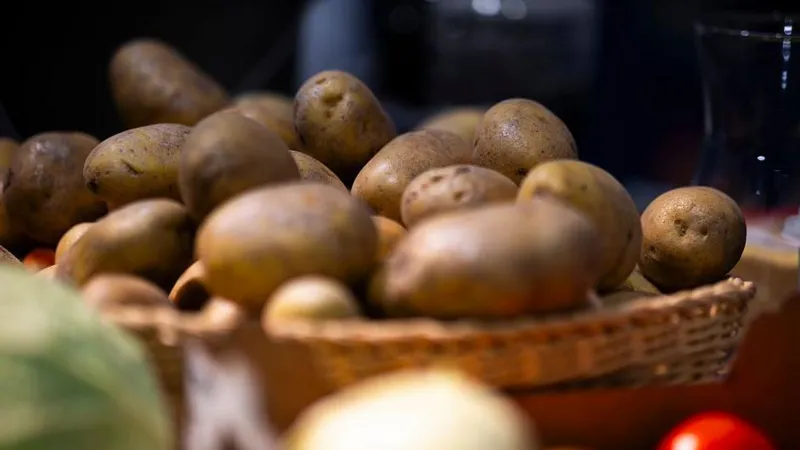
Rather than plow them back into the fields, which would be costly and environmentally wasteful, or let them rot in storage, Managing Director Hans-Joachim von Massow sought alternatives. The potatoes, described by the company as “magnificent tubers,” were already in cool, dry facilities, ready for consumption but facing an economic dead end. Selling them at rock-bottom prices would not cover transport and storage, and destruction felt unconscionable.
An Unlikely Alliance
An unlikely partnership formed between Berliner Morgenpost, a major local newspaper, and Ecosia, the Berlin-based eco-search engine that plants trees with ad revenue. In mid-January 2026, they launched “The Great Potato Rescue” initiative. Ecosia funded transportation, while the newspaper coordinated logistics, creating a website listing 174 pickup points across Berlin and surrounding areas.
The goal was to prevent waste and highlight potatoes as a valuable, sustainable food source. Since then, truckloads have rolled into Berlin, with around 500,000 kilograms distributed so far. Some shipments even reached other German regions and Ukraine.
Beneficiaries include food banks such as Berliner Tafel, schools, churches, soup kitchens, zoos, and everyday residents hauling sacks home on icy streets. Peter Schink, an editor at Berliner Morgenpost, said, “This initiative puts the potato in the spotlight.” Ecosia’s blog emphasized systemic flaws, noting, “Our food system is not set up to handle abundance.”
This is not just charity. It is a direct response to a broken supply chain where overproduction meets unpredictable demand, often leaving farmers holding the bag or tonne.
Scale and Creativity Make This Stand Out
What makes this rescue special is its scale and creativity. While farm surpluses and giveaways occur periodically, this one mobilized a major newspaper, a green tech firm, and public enthusiasm in a potato-loving nation. Germans consume potatoes voraciously, including Bratkartoffeln, Kartoffelsalat, or Pommes, and the initiative tapped into that cultural affection, turning a potential tragedy into viral good news.
It is also pragmatic. The potatoes are food-grade, not animal feed or biofuel candidates. Distribution reached vulnerable groups amid rising living costs, and some loads aided international causes. The story went global, appearing on BBC, The Guardian, and Reddit’s uplifting threads because it flips the usual famine narrative. Here, the problem is too much food, solved through community action.
Yet it is not without irony. A farm tied partly to Ecosia investments leveraged corporate social responsibility to address an issue the system created.
Geographic and Economic Dimensions
Geographically, the epicenter is eastern Germany. Osterland Agrar operates near Leipzig in Saxony, a region with fertile soils ideal for potatoes. The surplus shipped approximately 150 to 200 kilometers north to Berlin, a symbolic journey from rural production hub to urban consumption center. Saxony and neighboring Brandenburg form part of Germany’s potato belt, where large-scale farming dominates post-reunification landscapes.
Economically, the giveaway exposes deep tensions. Germany’s potato market is saturated, and prices plummeted with the glut. Critics, led by the Brandenburg Farmers’ Association, blasted it as a “disgusting PR stunt.” Timo Scheib argued, “Food is and will remain valuable, even if thoughtless do-gooders throw around free potatoes at schools and churches.” They fear it undercuts local producers by flooding markets with free supply, devaluing paid crops, and hurting small Brandenburg farmers already squeezed by low prices.
Proponents counter that without intervention, the potatoes would waste entirely. No revenue would have been earned, and the giveaway aids food security without direct market competition, targeting charities and public pickups rather than retail. Still, it highlights broader EU agricultural challenges: subsidies encourage volume over demand matching, weather volatility amplifies swings, and climate-friendly practices clash with market realities.
A Legacy of Community Action
As funding winds down and warmer weather arrives for the final loads, the initiative may end soon. But its legacy lingers: a reminder that in a world of food insecurity elsewhere, abundance demands better systems, perhaps through cooperatives, improved forecasting, or policies rewarding sustainability over sheer output.
In the end, Germany’s potato passion endures. As one Berliner might say, “Chips, anyone?” This time, they are free and gratefully received.