
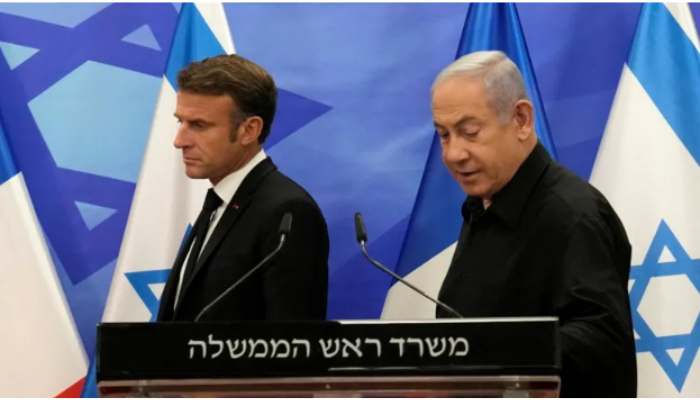
The international goodwill that Israel once enjoyed has rapidly diminished, especially from key Western allies like the United Kingdom, France, and Canada. These nations are now publicly calling for Israel to cease its military offensive in Gaza, condemning the scale of destruction and humanitarian suffering caused by the ongoing attacks. The shift in diplomatic tone is a reflection of escalating concerns over the humanitarian crisis that has unfolded since the conflict reignited in October 2023.
Israel Faces Growing International Criticism
After Hamas’s brutal attacks on October 7, 2023, Israel garnered widespread sympathy from its allies, who backed the nation’s right to defend itself. However, as Israel’s offensive continued, the tolerance for its methods has begun to wane. The United Kingdom, France, and Canada have issued their strongest rebuke yet, calling on Prime Minister Benjamin Netanyahu to halt the military campaign, which he claims is necessary to eliminate Hamas and restore security to Israel.
These three nations are firm in their stance that Israel’s current military actions are disproportionate and violate international standards. While they initially supported Israel’s right to defend itself, they have now shifted their position, demanding an immediate ceasefire and the lifting of restrictions on humanitarian aid entering Gaza. The growing humanitarian catastrophe has become a focal point in the global diplomatic discourse surrounding the conflict.
Netanyahu’s Response and International Repercussions
Israeli Prime Minister Netanyahu has been unwavering in his defense of the military operation. He argues that the offensive is essential to defeat Hamas, rescue the remaining hostages, and restore Israeli control over Gaza. However, this response has been met with harsh criticism from international leaders, particularly from European governments. French President Emmanuel Macron has led the charge, describing Israel’s actions as a “violation of international law” and calling for “unimpeded access for humanitarian aid.”
Despite the calls for a ceasefire, Netanyahu has maintained that such demands reward terrorism and would embolden Hamas. He insists that Israel cannot be expected to accept anything less than the demilitarization of Gaza and a peaceful resolution that ensures Israel’s security.
The Humanitarian Crisis in Gaza
As Israel’s military actions intensify, the humanitarian situation in Gaza has reached alarming levels. The United Nations has labeled the scale of suffering in Gaza as “intolerable,” with thousands of civilians, including children, killed in the crossfire. On March 23, 2025, the Israeli military’s attack on a medical convoy that killed 15 aid workers further exacerbated the global outcry.
The situation has led to heightened calls for international intervention, including the possibility of sanctions or even formal recognition of Palestine as an independent state by the European Union and its allies. While the UK and France have discussed Palestinian recognition, the pressure on Israel is mounting.
Consequences of the International Backlash
The sharp increase in international condemnation has left Israel vulnerable to further diplomatic isolation. The European powers, alongside Canada, have warned that if Israel continues its offensive, they will take further steps, which could include economic sanctions or even formal recognition of Palestine. This shift in European foreign policy reflects the growing frustration with Israel’s actions and a sense of moral responsibility toward the Palestinian civilian population.
In conclusion, the calls for an immediate ceasefire and the criticism of Israel’s tactics represent a significant turning point in the international community’s response to the Gaza conflict. Whether Israel will heed these demands or continue its military campaign remains to be seen, but the diplomatic ramifications are clear — Israel’s once-strong alliances are now being tested in ways that could reshape the geopolitical landscape of the Middle East.