
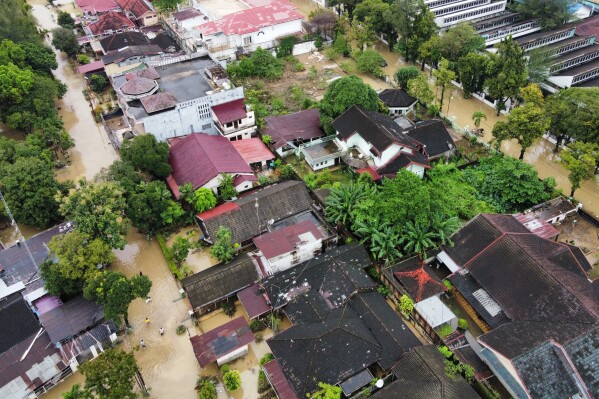
The death toll from the catastrophic flooding in Indonesia continues to climb, with authorities confirming at least 248 fatalities across Sumatra following a week of cyclone-triggered torrential rain. The storm system has also devastated parts of Malaysia and Thailand, bringing the combined regional death toll to around 400 people.
Rescue teams in Indonesia are racing against time to reach survivors in remote areas cut off by landslides, collapsed bridges and damaged communication lines. Many regions remain submerged, raising concerns that the number of casualties will rise sharply as more bodies are recovered.
According to Indonesia’s National Disaster Management Agency (BNPB), over 100 people are still reported missing, while more than 500 residents have been injured. BNPB Chief Suharyanto warned that the final death toll will likely increase because many victims remain unrecovered in inaccessible zones.
The western part of Sumatra has been hit hardest. The West Sumatra Regional Disaster Mitigation Agency reported 61 deaths and 90 missing persons by late Friday, alongside 75,219 displaced residents and more than 106,000 people affected across the province.
Meanwhile, disaster data also confirms:
- 116 deaths in North Sumatra
- At least 35 deaths in Aceh province
The rare tropical storm formed in the Malacca Strait, unleashing days of heavy rainfall across Indonesia, Thailand, and Malaysia. Thailand has recorded 145 deaths across eight southern provinces, while two deaths have been confirmed in Malaysia. More than 3.5 million people in the region have been affected by widespread flooding.
Although rainfall began to ease late on Friday, humanitarian challenges remain severe. Entire villages in North Sumatra were swept away after rivers overflowed and water tore through mountain slopes, submerging thousands of homes and public buildings. Many affected regions are still unreachable by road.
Relief aircraft are continuing to deliver emergency supplies to Central Tapanuli in North Sumatra and other isolated districts, as ground access remains limited due to washed-out routes and shortages of heavy machinery needed to clear debris.
Authorities have urged residents in flood-prone zones to remain alert, as further landslides and flash floods remain possible.