
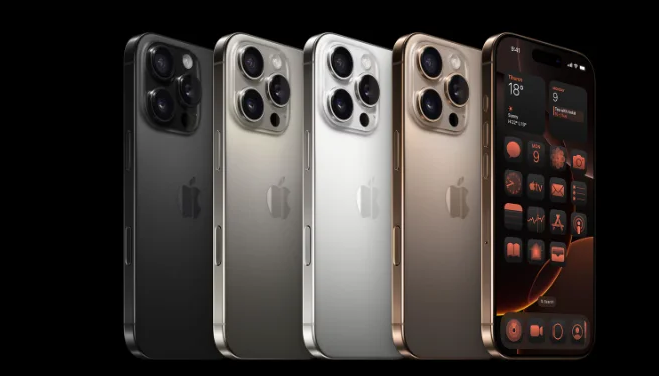
The iPhone is more than a smartphone it is a symbol of innovation, elegance, and the seamless integration of technology into everyday life. Developed and marketed by Apple, the iPhone runs on iOS, Apple’s own mobile operating system, delivering an intuitive and secure user experience. Since the first-generation iPhone was unveiled by Steve Jobs on January 9, 2007, at Macworld, the iPhone has transformed how the world communicates, works, and creates. Today, Apple continues to lead the industry with cutting edge devices like the iPhone 17, iPhone 17 Pro, 17 Pro Max, and the ultra-thin iPhone Air. With over 3 billion devices sold as of 2025, the iPhone has cemented Apple’s position as the largest mobile phone vendor globally.
A Legacy of Innovation
From its inception, the iPhone has challenged conventional mobile technology. It was the first smartphone to feature multitouch technology, replacing a cluttered array of buttons with an immersive touchscreen interface. Over the years, Apple has continuously elevated the iPhone experience, introducing larger, high-resolution displays, video recording, advanced accessibility features, and industry-leading security through Touch ID and Face ID. Each new iPhone generation has redefined the benchmark for design, performance, and functionality.
Shaping the Mobile Ecosystem
Apple’s vision extended beyond the device itself. By launching the App Store, Apple created a thriving “app economy,” empowering millions of developers worldwide and giving users access to nearly 2 million apps as of 2024. iPhone’s seamless integration with other Apple products, including the Apple Watch and AirPods, has reimagined how devices interact, creating an ecosystem that enhances every aspect of daily life.
Design and Development Philosophy
The iPhone’s journey began in 2004 with the top-secret “Project Purple,” led by visionaries Tony Fadell, Scott Forstall, and Jony Ive. Under Steve Jobs’ guidance, Apple rejected conventional approaches, crafting both hardware and software in house to create a device that was elegant, intuitive, and revolutionary. The result was the first iPhone: a device that combined design sophistication with groundbreaking technology, launching the era of the modern smartphone.
Evolution Through the Years
The iPhone has continually evolved to meet the needs of users while setting industry trends. From the introduction of Retina displays with the iPhone 4, to the revolutionary Face ID and gesture-based navigation of the iPhone X, to the adaptive 120Hz ProMotion displays of the iPhone 13 Pro, Apple has consistently redefined what a smartphone can do. Each generation has added new capabilities wireless charging, mobile payments via Apple Pay, ultra-wide and telephoto cameras, AI-enhanced photography, satellite emergency communication, and more reinforcing the iPhone as the ultimate tool for communication, creativity, and productivity.
A Future-Focused Vision
Today, the iPhone continues to innovate with features like USB C charging, Apple-designed modems, advanced AI integration, and the Dynamic Island interface. Apple’s commitment to design, performance, and sustainability ensures that every iPhone empowers users to achieve more while staying connected to what matters most. The iPhone is not just a device; it is a statement a reflection of Apple’s mission to inspire, inform, and transform the way we experience technology.
iPhone Innovation in Your Hands.