

In Dublin this week, Microsoft confirmed it will keep buying enough renewable energy to match all of its electricity use. The pledge comes as the company rapidly expands its artificial intelligence infrastructure worldwide.
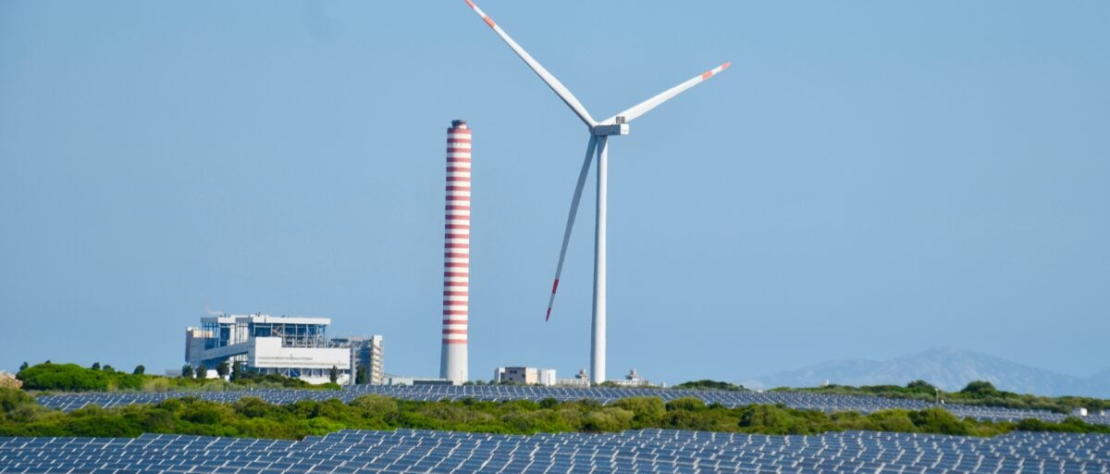
The company has contracted 40 gigawatts of renewable capacity. As a result, it has reached its 2025 goal of matching 100 percent of its electricity consumption with clean energy. Nineteen gigawatts are already delivering power to grids in 26 countries. The remaining projects will come online within five years.
“As we continue to grow we want to maintain that 100 percent,” said Noelle Walsh, President of Cloud Operations and Innovation, at Microsoft’s West Dublin campus.
The announcement highlights sustainability progress. However, it also signals a long-term strategy to secure reliable energy for the AI era.
From Carbon Neutral to Carbon Negative
Microsoft’s climate plan has developed steadily over the past decade.
In 2012, the company became carbon neutral. Later, in 2020, it pledged to become carbon negative by 2030. Then in 2024, it signed an agreement with Constellation Energy to help restart the Three Mile Island Unit 1 nuclear reactor in Pennsylvania. Now, in 2026, it says it has achieved full renewable electricity matching.
The Three Mile Island agreement was symbolic. The site is linked to the most serious nuclear accident in U.S. history in 1979. Nevertheless, Microsoft backed its restart. The move showed that carbon-free power, including nuclear energy, will play a larger role in its future energy mix.
Chief Sustainability Officer Melanie Nakagawa told Reuters that carbon-free electricity will be essential to meeting the 2030 carbon negative target.
In short, the company is broadening its clean energy approach. Renewable power remains central. At the same time, stable carbon-free sources are becoming more important.
AI Is Reshaping Electricity Demand
Artificial intelligence requires vast computing power. Therefore, it consumes enormous amounts of electricity.
Data centers already account for about 2 to 3 percent of global power use. In Ireland, the share is even higher. In 2024, data centers represented 22 percent of national electricity consumption.
Meanwhile, competitors such as Google, Amazon and Meta are also expanding AI operations. Consequently, demand for reliable clean energy is intensifying.
Unlike earlier climate pledges that relied partly on renewable certificates, Microsoft has focused on long-term power purchase agreements. These contracts help finance new wind, solar and nuclear projects. As a result, developers can build additional capacity rather than simply trade credits.
Forty gigawatts is a significant figure. In fact, it approaches the generating capacity of some mid-sized countries.
Ireland at the Center of the Debate
Microsoft made the announcement at its Dublin campus. The site opened in 2009 as the company’s first data center outside the United States.
Over time, Ireland has become a major European technology hub. However, the rapid growth of data centers has strained the national grid. In response, the Irish government slowed new grid connections.
Now, authorities are easing those limits. However, new data centers must secure at least 80 percent of their annual electricity demand from additional renewable sources.
Microsoft’s existing renewable contracts position it well under the new rules.
For Ireland, the stakes are high. Data centers support jobs and infrastructure investment. At the same time, they raise concerns about grid stability and household electricity costs.
A $50 Billion Expansion Plan
Microsoft also said it is on track to invest $50 billion by 2030 to expand AI and cloud infrastructure across the Global South.
Much of that funding will go toward new data centers. In emerging markets, power grids can be less stable. Therefore, corporate renewable contracts may help accelerate new clean energy projects.
Supporters argue that long-term agreements reduce price swings and expand supply. Critics, however, warn that heavy electricity demand from hyperscale data centers could tighten local markets.
Corporations as Energy Planners
Traditionally, governments built and financed major power plants. Today, large technology firms are helping fund renewable and carbon-free projects at scale.
Microsoft’s pledge to maintain 100 percent renewable matching reflects this shift. Even as its electricity use grows, the company says it will continue expanding clean energy supply.
Ultimately, energy security is becoming central to digital growth. As artificial intelligence expands, access to reliable carbon-free electricity may define competitive advantage.
In Dublin, the message focused on sustainability. Yet the larger story is about strategy. Control over energy resources is now part of the race to lead the AI century.