
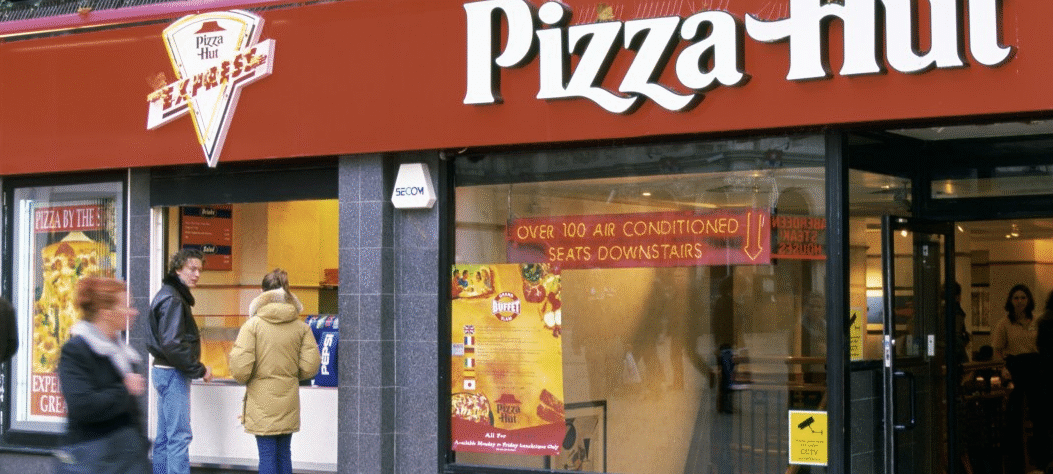
Pizza Hut, LLC is an American multinational pizza restaurant chain and franchise that has become a global icon in the fast-food industry. Founded in 1958 in Wichita, Kansas, by brothers Dan and Frank Carney, the brand has grown from a single local pizzeria into an international phenomenon with over 19,800 locations worldwide as of 2023. Headquartered in Plano, Texas, Pizza Hut is part of the Yum! Brands family, which also includes KFC and Taco Bell.
Humble Beginnings: From Wichita to the World
The story of Pizza Hut began while the Carney brothers were students at Wichita State University. With just a small loan from their mother, they opened their first restaurant, serving fresh, affordable pizza to their local community. The concept quickly gained popularity, and within a year, the Carneys had expanded to six locations. By 1959, the brothers began franchising, laying the foundation for Pizza Hut’s rapid growth.
Early employees included notable figures such as Bill Parcells, a future Pro Football Hall of Fame coach, who considered opening a franchise before pursuing a career in coaching.
Distinctive Branding: The Iconic Red Roof
A defining feature of Pizza Hut’s identity is its red roof design, introduced in 1969 and later incorporated into the brand’s logo. Some sources attribute the architectural design to George Lindstrom of Chicago, while others credit Richard D. Burke, a Wichita architect and friend of the Carney brothers. Over the years, the logo evolved from the “Pizza Pete” chef mascot to the now-recognizable red roof emblem, which has become a symbol of quality and fun for generations of customers.
Innovation and Growth
Pizza Hut has consistently pushed the boundaries of innovation. Some milestones include:
- PepsiCo Acquisition (1977): Pizza Hut became part of PepsiCo, enabling global expansion and operational support.
- Tricon Global Restaurants Spin-Off (1997): Pizza Hut, along with Taco Bell and KFC, became part of Tricon, which was later renamed Yum! Brands in 2002.
- PizzaNet (1994): One of the first online ordering systems, allowing customers to place orders via the Internet.
- Stuffed Crust Pizza (1995): A groundbreaking menu innovation that became a signature product.
The brand has also experimented with multiple restaurant formats, including family-style dine-in, carry-out, and hybrid locations, and has adapted menus to local tastes in international markets.
Global Expansion and Challenges
Pizza Hut’s journey has not been without hurdles. In the 1970s, the company diversified into other restaurant concepts like Taco Kid, Next Door, Flaming Steer, and Sutphen’s, but these ventures were ultimately unsuccessful. In more recent years, Pizza Hut faced challenges such as the bankruptcy of major franchisees, including Priszm in Canada (2011) and NPC International in the U.S. (2020). In response, the company has restructured and modernized operations, including closing underperforming dine-in locations while investing in delivery, digital ordering, and menu innovation.
Notable efforts include the 2014 rebrand, which updated uniforms and expanded menu offerings, and the 2019 return of the iconic red roof logo, reinforcing brand recognition and nostalgia.
A Legacy of Influence
Pizza Hut has consistently ranked as one of the most influential brands globally, recognized for its innovative marketing, product creativity, and cultural impact. From introducing digital ordering decades ahead of its time to shaping pizza culture across continents, the brand has maintained relevance in an evolving market.
The brand story of Pizza Hut is one of entrepreneurial spirit, global vision, and constant innovation. From a single restaurant in Wichita to a worldwide network serving millions, Pizza Hut has left an indelible mark on the pizza industry and continues to shape the way the world enjoys America’s favorite comfort food.