
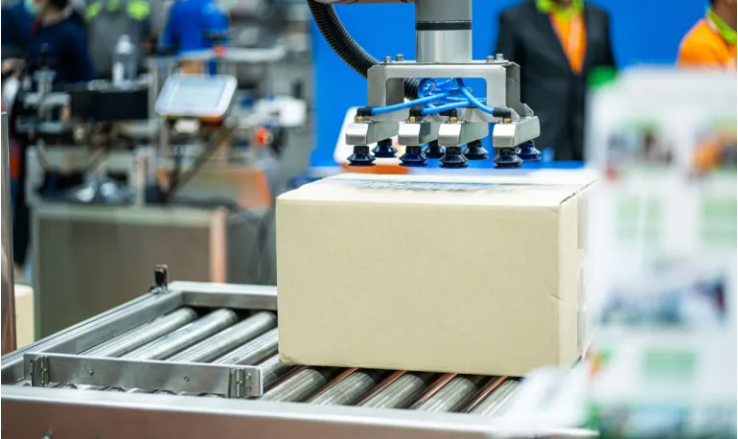
German technology company Sereact has secured $26 million in Series A funding to propel its groundbreaking AI-powered robotics initiatives. This significant investment underscores the growing importance of advanced automation in logistics and manufacturing, with Sereact leading the charge to transform how robots interact with dynamic environments.
Since its founding in 2021, Sereact has distinguished itself by developing Vision Language Action Models (VLAM), a technology that enables robots to perceive, interpret, and adapt to their surroundings in real time. Unlike traditional robotic systems, which rely on rigid programming, Sereact’s software-first approach ensures robots act as intelligent, flexible agents capable of situational decision-making. This cutting-edge technology has already attracted major clients, including BMW, Daimler Truck, Bol, MS Direct, and Active Ants.
With this new funding, Sereact plans to expand its research and development to support additional robotic platforms, including humanoid and mobile robots. The company is also focusing on creating AI solutions that address more complex tasks, extending beyond logistics and manufacturing into other industries.
“The robotics industry is undergoing a fundamental shift,” said Ralf Gulde, Sereact’s CEO and co-founder. “While most AI robotics companies focus on hardware-first solutions, we are leading with software, allowing our robots to act situationally rather than following rigid sequences. This adaptability is what sets us apart.”
Sereact’s software innovations align with broader trends in AI robotics, where the emphasis is increasingly on autonomy and adaptability. By integrating their systems with advanced AI, robots can perform tasks requiring dexterity, precision, and real-time decision-making. For instance, their VLAM technology enables robots to manage dynamic tasks, such as sorting packages or assembling components, without additional programming.
The implications of Sereact’s work extend beyond individual warehouses. As global eCommerce demand surges, companies face mounting pressure to automate processes while maintaining efficiency and accuracy. Innovations like Sereact’s provide a pathway to meet these challenges, offering scalable solutions that enhance productivity and reduce operational costs.
Notably, Sereact’s advancements come at a time when other organizations are tackling similar challenges. For example, MIT’s PRoC3S tool offers a complementary vision of robotics innovation by using simulated environments to refine robots’ spatial and dexterity capabilities. Together, such developments suggest an industry-wide push toward creating robots capable of performing tasks traditionally reserved for humans.
Economic and technological factors also play into Sereact’s growing momentum. Automation driven by AI not only reduces labor costs but also enhances operational flexibility, allowing businesses to respond rapidly to market changes. Furthermore, the adaptability of Sereact’s systems positions them as a critical solution for industries navigating supply chain disruptions or workforce shortages.
However, challenges remain. The initial cost of deploying advanced robotics and the technological risks associated with cutting-edge AI solutions can be significant barriers. Nonetheless, Sereact’s focus on a software-driven model reduces these hurdles by offering a more adaptable and scalable approach to automation.
In the coming years, Sereact’s vision for embodied AI has the potential to reshape the robotics landscape. By prioritizing flexibility, intelligence, and integration, the company is not only addressing immediate market needs but also laying the groundwork for a future where robotics seamlessly integrate into various industries.
In conclusion, Sereact’s $26 million funding round represents more than just financial backing—it’s a testament to the transformative potential of AI-powered robotics. As the company continues to innovate, it stands poised to redefine automation, setting new standards for efficiency, adaptability, and sustainability in robotics.