
For more than three decades, food writer and university lecturer Annabel Jackson has devoted her career to studying Macanese cuisine — a rich fusion of cultures often described as the world’s first fusion food. Looking back on her research, she believes Macanese dishes are best understood as the product of domestic kitchens shaped by women from different nationalities and backgrounds.
Tamarind: A Small Ingredient With a Big Story
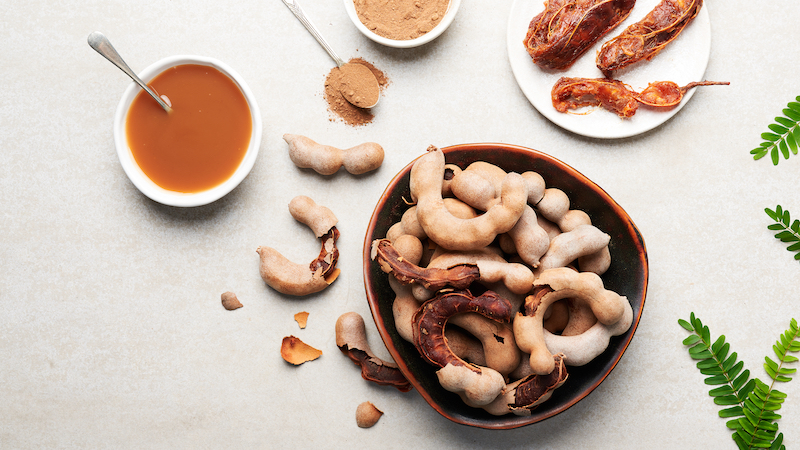
When asked to identify a single ingredient that represents Macau’s culinary legacy, Jackson surprisingly chooses tamarind, a sweet-sour fruit native to Africa and widely used across Southeast Asia.
Tamarind arrived in Macau centuries ago through the Portuguese maritime trade. Although it is not as dominant as spices like turmeric, Jackson says the fruit offers a deep insight into how Macanese cuisine developed.
Macau, as a key port on Portuguese trade routes, witnessed the arrival of women from Goa, Malacca and other colonies. These women brought with them their cooking practices and flavours, ultimately mixing with local traditions.
“All these ideas started to co-mingle in the kitchens of the Macanese,” Jackson explains.
More Than Just a Flavouring Agent
Tamarind often appears subtly in Macanese recipes. For example, Worcestershire sauce, commonly used in the beloved minced meat dish minchi, contains tamarind extract — a reminder of how global influences seeped into local food.
However, there is one dish where tamarind takes the spotlight:
Porco Balichão Tamarinho — Tamarind at the Center
According to Jackson, porco balichão tamarinho perfectly expresses what Macanese cuisine is all about. The name itself tells the story:
- Porco — Portuguese for pork
- Balichão — a signature local shrimp-paste sauce similar to Southeast Asian belacan
- Tamarinho — a Macanese patois spelling referring to tamarind
Traditionally made with slow-cooked pork belly, the dish is rich and aromatic. Today, healthier variations are emerging, with some cooks opting for leaner cuts like pork collar.
Jackson notes that Macanese recipes were historically passed down orally, so every family has its own interpretation. Over generations, ingredients and techniques shift — ginger might be added, onions swapped for shallots, or pork belly replaced with another cut.
The Balance Between Tradition and Evolution
Documenting Macanese cuisine presents a challenge. While researchers strive to record authentic historical recipes, the cuisine continues to evolve naturally.
“We have to allow cuisine to flow freely,” Jackson says. “A hybrid cuisine uses substitutions and changes in different people’s hands, so we can’t cling to one recipe.”
For her, preserving Macanese food means protecting its memory while allowing it to grow — just as it did centuries ago when new cultures shaped the city.
Today, chefs, bartenders, bakers, and culinary researchers like Jackson and her colleague Otilia R. Novo continue to reinterpret and push Macanese cuisine forward, ensuring its legacy remains alive for future generations.