
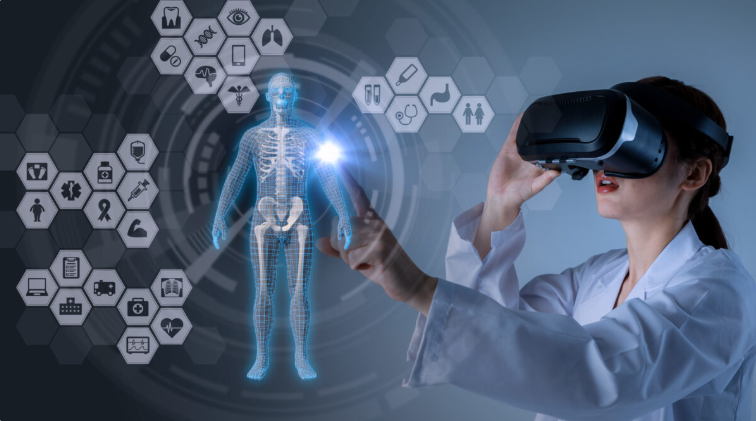
The Bio Revolution represents a transformative era in healthcare and science, where technology seamlessly integrates with biology. By leveraging genomics, bioinformatics, and artificial intelligence (AI), this revolution is redefining how we approach health, research, and medicine, fostering personalized, efficient, and patient-centered care.
Central to the Bio Revolution is genomic sequencing. Advances like Next-Generation Sequencing (NGS) have made analyzing entire genomes faster and more affordable. Companies such as Illumina lead the charge, enabling researchers and doctors to utilize genetic insights for targeted treatments.
Bioinformatics plays a pivotal role in interpreting vast genetic data. Tools like the Genome Analysis Toolkit (GATK) help uncover patterns and develop actionable insights, transforming raw data into meaningful information for improved patient outcomes.
AI further accelerates this revolution by analyzing complex data sets, predicting disease trends, and facilitating drug discovery. Platforms like IBM Watson for Oncology empower doctors to provide tailored cancer treatments, while AI-based predictive analytics flag potential health risks early.
The impact on personal health is profound. Personalized medicine now considers genetic profiles, allowing proactive measures like tailored drug therapies. For example, pharmacogenomics ensures patients receive the most effective medications with minimal side effects, enhancing adherence and treatment success.
Behavioral interventions powered by digital tools, such as wearable devices, promote real-time health monitoring. Smartwatches tracking vital signs empower individuals to make informed health decisions while helping doctors refine care plans for their patients.
Despite its potential, the Bio Revolution faces challenges. Privacy concerns arise as health data expands, emphasizing the need for robust regulations like HIPAA and GDPR. Additionally, access to these advancements remains inequitable, necessitating initiatives to bridge gaps in affordability and availability.
Ethical considerations also surface, especially in clinical trials. Ensuring diversity, informed consent, and responsible genetic data use is crucial for fair and trustworthy advancements.
AI-driven applications further highlight the revolution’s versatility. From diagnosing diseases with unmatched accuracy to streamlining drug development and improving patient monitoring, AI transforms every aspect of healthcare.
This convergence of technology and biology promises a future where healthcare is more responsive and precise. However, achieving equitable access, maintaining ethical integrity, and safeguarding data security are essential to realizing the Bio Revolution’s full potential.
As we embrace this era, the Bio Revolution holds immense promise for redefining health and science, paving the way for groundbreaking treatments and improved global health outcomes.