
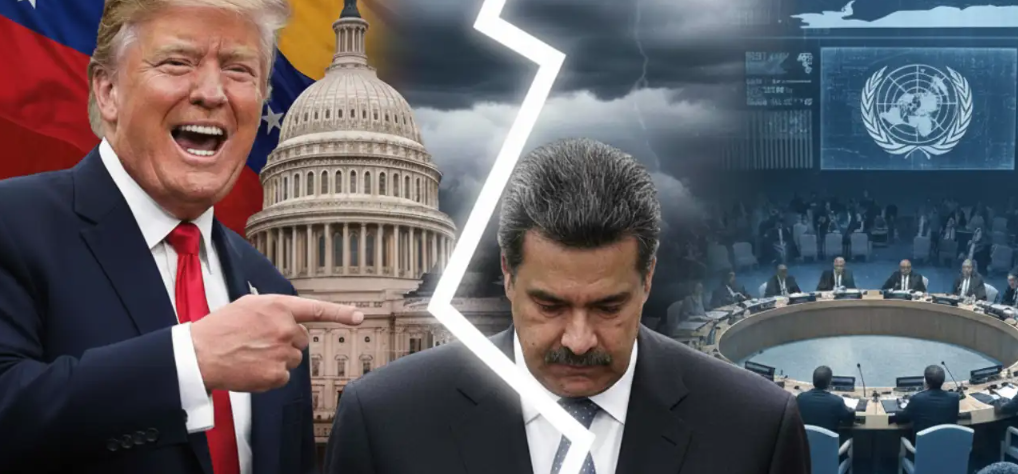
Overview: From Oil Partners to Political Adversaries
The relationship between the United States and Venezuela has evolved into one of the most tense and geopolitically significant conflicts in the Western Hemisphere. What once was a straightforward economic partnership centered on oil trade has transformed into a multifaceted standoff involving political legitimacy, economic sanctions, human rights concerns, and global power rivalries.
Historical Context: A Turning Point in 1999
For much of the 20th century, Venezuela was a key oil supplier to the United States, fostering a largely cooperative relationship. However, the election of Hugo Chávez in 1999 marked a seismic shift. Chávez’s Bolivarian Revolution and socialist agenda aimed at reducing US influence reshaped bilateral ties.
Under Chávez, Venezuela nationalized its oil industry and forged alliances with Russia, China, and Iran — nations often at odds with the US.
Timeline of Key Events
1999: Hugo Chávez elected President, beginning the Bolivarian Revolution.
2002: Failed US-backed coup attempt against Chávez strains relations.
2006: Chávez openly criticizes US foreign policy; strengthens ties with Russia, China, and Iran.
2013: Nicolás Maduro succeeds Chávez amid economic decline.
2014: US sanctions Venezuelan officials over human rights abuses.
2017: US targets Venezuela’s oil company PDVSA with sanctions amid political crackdown.
2018: Maduro re-elected in disputed elections; US refuses recognition.
2019: Opposition leader Juan Guaidó declares himself interim president; US and over 50 countries recognize him.
2019: US intensifies sanctions, including on oil exports.
2020: Economic crisis worsens with COVID-19 and sanctions.
2021–2023: Diplomatic talks yield limited progress.
2024: Continued stalemate amid geopolitical rivalries involving Russia, China, and Iran.
Political Crisis and the Battle for Legitimacy
Since Chávez’s death, Venezuela has been locked in a bitter political struggle. Juan Guaidó’s self-declaration as interim president in January 2019 — backed by the US and allies — challenged Nicolás Maduro’s grip on power.
“The dual claim to leadership has paralyzed Venezuela’s governance,” says a senior Latin America analyst. Maduro retains military support, prolonging the deadlock.
Sanctions and Economic Fallout
US sanctions have aimed to pressure Maduro by targeting key officials and Venezuela’s vital oil industry. While intended to promote democracy, these measures have deepened the country’s economic collapse.
Hyperinflation, shortages of food and medicine, and widespread poverty have driven millions into hardship, sparking a humanitarian crisis.
Human Rights and Governance: A War of Narratives
The US and international groups accuse Maduro’s government of political repression, electoral fraud, and human rights abuses. Venezuela, in turn, denounces US actions as imperialist interference aimed at regime change.
“The mutual distrust makes dialogue difficult and entrenches the conflict,” notes an expert on Latin American politics.
Geopolitical Stakes: A Broader Global Chessboard
Venezuela’s partnerships with Russia, China, and Iran pose a strategic challenge to US influence in Latin America. These alliances provide Caracas with economic aid and military support.
US concerns include Venezuela becoming a foothold for rival powers and its links to illicit activities that destabilize the region.
Humanitarian Crisis: The Migration Exodus
The ongoing crisis has forced over 7 million Venezuelans to flee, creating one of Latin America’s largest displacement emergencies. Neighboring countries and aid agencies face enormous challenges managing this influx.
Looking Forward: Possible Paths to Resolution
The future remains uncertain. Potential avenues include renewed diplomatic talks, conditional easing of sanctions, and increased humanitarian aid.
“The resolution depends on political will, regional cooperation, and shifting international dynamics,” says a regional affairs commentator.
Conclusion
The US–Venezuela conflict encapsulates larger themes of global power rivalry, ideological conflict, and urgent human suffering. A nuanced understanding is essential for anyone seeking to grasp the challenges and possible solutions facing the region.